
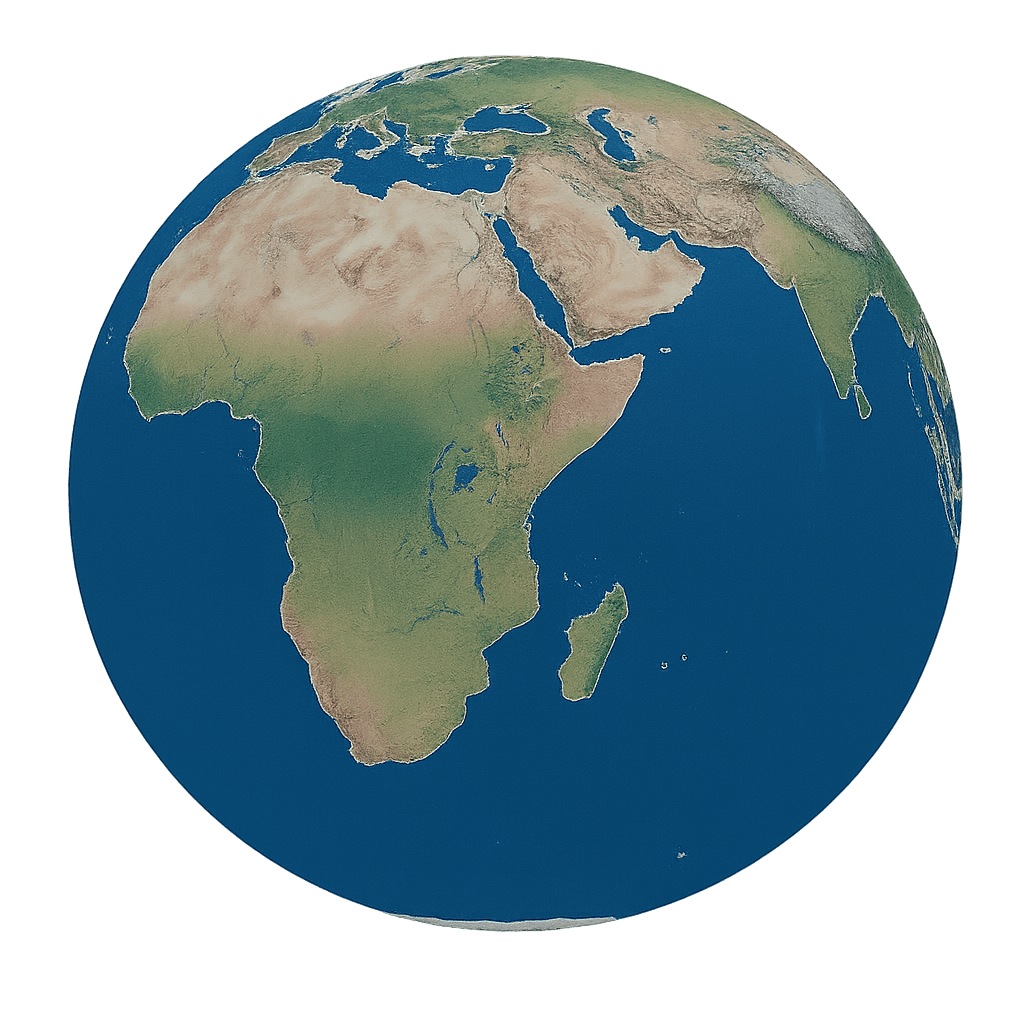
Caspian Sea Crisis: New research says the Caspian has shrunk by about 24,000 km² since the mid-1990s, with water levels down roughly 2 metres; climate-driven evaporation explains only ~40% of the loss, while reduced river inflow—linked to dams, reservoirs, irrigation and diversions—does the rest, threatening fisheries, migratory birds and water quality. Oil Pollution Response: SOCAR reported an oil spill near Dubendi caused by damage to an underwater Azneft pipeline; oil transport was stopped and repair work has started. Water Security in Focus: Azerbaijan is pushing water-loss reduction and irrigation upgrades, including IsDB-backed plans for reconstructing the Karabakh Irrigation Canal to cut losses and improve supply. Regional Development Finance: At the IsDB annual meetings in Baku, 67 agreements worth $6bn were signed, including climate resilience and connectivity priorities. Methane Action: A methane regulation programme added Egypt, Brazil and Bosnia and Herzegovina, joining founders including Ghana. Transport & Emissions: AZAL added a fourth Airbus A320neo, citing lower fuel use and reduced carbon emissions. COP31 Climate Push: Turkey’s COP31 presidency is urging an implementation-focused summit, with electrification and climate finance highlighted. Wildfire Risk Warning: WWF Bulgaria warns climate change is making wildfire seasons start earlier and last longer, increasing biodiversity loss.
AGP Executive Report
Your go-to archive of top headlines, summarized for quick and easy reading.
Note: AI summary from news headlines; neutral sources weighted more to help reduce bias in the result. Feedback is welcome. Please let us know if you have any comments or suggestions about the AGP Executive Report.
Caspian Sea Pollution: SOCAR says an oil spill near Dubendi was caused by damage to an underwater Azneft pipeline, likely from an anchor; oil transport was stopped and repairs are underway to prevent further leaks. Water Security: A new piece of reporting highlights how water losses and irrigation inefficiency are becoming a strategic issue, pointing to IsDB-backed plans for reconstructing the Karabakh Irrigation Canal to cut losses and support agriculture. Caspian Sea Shrinkage: A study warns the Caspian’s decline is increasingly driven by human damming and river diversions, with fragmented decisions across five shoreline states worsening the trend. Wildfire Risk: WWF Bulgaria warns wildfire season in the region is starting earlier and lasting longer due to climate change, threatening biodiversity and protected areas. Sustainable Finance in Baku: The IsDB Group annual meetings in Baku ended with $6bn in signed deals and a renewed partnership strategy, with climate action and resilience among key themes. Methane Push: Three more countries joined a methane regulation programme, expanding support for faster methane cuts. Air Travel Emissions: AZAL added a fourth Airbus A320neo, citing lower fuel use and reduced carbon emissions. OIC Parliament Meeting: Azerbaijan hosted the 20th OIC Parliamentary Union session, including an Environment committee track.
Caspian Sea Pollution Response: SOCAR says an oil slick near Dubendi was caused by mechanical damage to an underwater pipeline, likely from an anchor; oil flows were suspended and cleanup/repairs are underway with emergency services. Climate Diplomacy: UN climate chief Simon Stiell warned Bonn talks ended with key adaptation and mitigation divides still unresolved, urging countries not to backslide on commitments. Sustainable Finance in Baku: At the IsDB annual meetings, ICIEC backed Nigeria’s Lagos–Calabar Coastal Highway Phase II with $626m insured support, highlighting “sukuk” and resilience-focused financing. Green Corridor & Energy Connectivity: Azerbaijan reiterated plans for renewable capacity and support for regional green energy corridors, including a Central Asia–Azerbaijan Green Energy Corridor linked to the Middle Corridor. Wastewater & Environmental Surveillance: An IsDB knowledge event in Baku focused on wastewater and environmental surveillance to strengthen regional health security and early warning systems. Agriculture Targets: Azerbaijan’s livestock program sets goals for higher milk and beef output by 2030, alongside cluster development and collection points.
Caspian Sea Pollution Response: SOCAR says an oil slick near Dubendi was caused by mechanical damage to an underwater pipeline, likely from an anchor; oil transport was suspended and repairs plus marine and coastal cleanup are underway with the Ministry of Emergency Situations. Non-Oil Export Push: President Ilham Aliyev signed a decree creating state support that reimburses customs clearance costs for micro, small and medium exporters of non-oil/non-gas products, aiming to boost competitiveness and trade. Green Energy Connectivity: Azerbaijan used the SCO energy ministers meeting to stress energy security and clean tech, backing renewable capacity growth and green corridors, including a Central Asia–Azerbaijan Green Energy Corridor linked to the Middle Corridor. Sustainable Finance in Baku: At the IsDB Group Annual Meetings, Azerbaijan highlighted its non-oil investment drive and sectors like mining, agriculture, transport and tourism, while IsDB events also promoted wastewater and environmental surveillance for regional health security. Agriculture Targets: Azerbaijan’s 2026–2030 state program sets goals to raise milk output by 10% and beef by 20%, expand dairy/meat clusters, and cut import dependence.

UN Climate Talks in Bonn: Two weeks of negotiations ended in “gridlock,” with diplomats unable to agree on key items like scaling emissions cuts and funding adaptation, while trust in the UN process weakened. Caspian Water Focus: Azerbaijan’s climate agenda and concerns over the Caspian Sea’s declining water level were highlighted at Bonn discussions involving Leyla Aliyeva. Sustainable Finance in Baku: At the IsDB Group Annual Meetings, Azerbaijan and partners pushed resilience and sustainability, including a knowledge-sharing event on wastewater and environmental surveillance for regional health security. Green Energy & Connectivity: Azerbaijan’s role as a transit hub and plans for renewable capacity and green corridors were emphasized at SCO energy minister talks, including support for a Central Asia–Azerbaijan Green Energy Corridor. Agriculture Targets: Azerbaijan’s livestock program sets goals for 2026–2030, aiming to raise milk output by 10% and beef by 20% by expanding clusters, farms, and collection points. Biodiversity Cooperation: IUCN’s Central Asia Office marked its first year, backing biodiversity and climate resilience work across the region, including technical cooperation under the Convention on Biological Diversity.
IsDB Annual Meetings in Baku: Azerbaijan used the 2026 Islamic Development Bank Group gatherings to pitch investment priorities beyond oil, with officials highlighting non-oil manufacturing, mining/critical minerals, agriculture and agro-processing, and transport/logistics—plus a push for green transition and renewable energy cooperation. Green energy & corridors: Azerbaijan’s energy leadership also stressed regional connectivity, including plans for renewable capacity growth and the “Central Asia–Azerbaijan Green Energy Corridor,” linking Central Asia, the South Caucasus, Türkiye and China via the Middle Corridor. Health + environment surveillance: A Baku knowledge event focused on wastewater and environmental surveillance as a tool for regional health security, including early warning and coordinated responses. Agriculture targets: Azerbaijan’s livestock program for 2026–2030 sets goals to raise milk output by 10% and beef by 20% by expanding clusters, new farms, collection points, and cattle identification. Climate context: UN reporting warned Africa is warming faster than the global average, with heatwaves, drought and flooding hitting millions—an issue that raises urgency for resilience planning in the region.
IsDB Annual Meetings in Baku: The Islamic Development Bank Group wrapped up its 2026 Annual Meetings with a strong focus on regional integration and sustainable development, including the launch of the 3R Facility for crisis recovery and resilience, plus new financing and cooperation notes across sectors like water, agriculture, transport, and energy. Water & health surveillance: A knowledge-sharing session highlighted wastewater and environmental surveillance as a practical tool to strengthen regional health security and early warning systems. Green corridors & energy cooperation: Azerbaijan used the week’s diplomacy to push renewable energy corridors, including a Central Asia–Azerbaijan Green Energy Corridor concept and energy talks with Romania on the Caspian Sea–Black Sea–Europe green corridor. Agriculture targets: Azerbaijan’s livestock program for 2026–2030 aims to raise milk output by 10% and beef by 20% by building dairy/meat clusters, new farms, and collection points. Climate backdrop: UN climate talks in Bonn ended in gridlock on adaptation and emissions-cutting, with climate finance still a major sticking point. Biodiversity push: IUCN’s Central Asia office marked its first year, supporting biodiversity and climate resilience work across the region.
IsDB Annual Meetings in Baku: Azerbaijan used the 2026 Islamic Development Bank Group summit to push green infrastructure and resilience finance, including the launch of the new 3R Facility for crisis recovery and resilience, plus water and sewage plans for Absheron settlements and a Karabakh irrigation canal restoration deal. Climate and biodiversity diplomacy: The IUCN Central Asia Office marked its first year, expanding regional work on biodiversity and climate resilience across Armenia, Azerbaijan and Central Asia, while an Azerbaijani civil society coalition urged COP17 leaders to act on mining-linked ecological risks to transboundary rivers. Middle Corridor push: Experts and financiers focused on making the Middle Corridor more reliable and investable, with calls for predictable rules and risk-sharing to help tripling cargo volumes. Energy and green corridors: Azerbaijan and Romania discussed the Caspian Sea–Black Sea–Europe green energy corridor, with feasibility work expected soon. Heat and water stress: A UN report warned Africa is warming faster than the global average, while Israeli research flagged limits in heatwave forecasting, reducing preparedness lead time. Local environment-linked development: Azerbaijan also reported new housing keys for relocated families in Khankendi and Aghdara, alongside claims of restored infrastructure and social services.
Climate Diplomacy: UN climate talks in Bonn ended in “gridlock,” with negotiators unable to agree on adaptation and emissions-cutting, pushing unresolved issues to COP31. IsDB in Baku: The Islamic Development Bank Group’s 2026 Annual Meetings opened in Baku under “Regional Integration for Sustainable Prosperity,” with President Ilham Aliyev in attendance; the bank also reported record 2025 net approvals of $15.8bn and reelected Dr. Muhammad Al Jasser for a new five-year term. Azerbaijan–Energy & Green Corridors: Azerbaijan and Romania renewed focus on energy cooperation, including the Caspian-Black Sea-Europe Green Energy Corridor, while Azerbaijan’s Alat Free Economic Zone was highlighted as a logistics and trade hub. Regional Finance for Infrastructure: ICIEC praised First Abu Dhabi Bank for a $626m Murabaha financing linked to Nigeria’s Lagos-Calabar coastal highway, showing how development finance is backing connectivity. Environment & Water: Azerbaijan’s Caspian Sea water-level decline stayed on the agenda at Bonn climate discussions involving Leyla Aliyeva. Cultural Heritage Under Threat: Reports allege vandalism in Karabakh, including demolition of a khachkar and WWII memorials. Digital Governance: A planned “SocGov2026” conference in Khankendi will focus on digital analytics and AI for smart social governance.
Islamic Finance & Climate-Linked Development: The 51st Islamic Development Bank (IsDB) Group Annual Meetings opened in Baku under “Regional Integration for Sustainable Prosperity,” with President Ilham Aliyev stressing Azerbaijan’s role in global energy and hosting major climate-linked summits like COP29. Regional Connectivity & Water/Energy Security: Side sessions highlighted public-private partnerships for cross-border infrastructure, plus regional energy interconnections aimed at boosting renewable integration and electricity reliability. Poverty, Resilience & Climate Shocks: IsDB officials warned that 32 of 57 member states are fragile or at risk, with about 400 million people facing extreme poverty over the next decade as droughts and climate shocks deepen vulnerability. Humanitarian Finance for Displaced People: IsDB, as trustee of GIFR, signed a $10m waqf donor deal with Qatar Charity to support refugees, IDPs and host communities with endowment-based aid. Cultural Heritage Under Pressure: Azerbaijan-linked reports accuse authorities of destroying khachkars and war memorials in Artsakh, raising alarms for cultural heritage protection. Digital Governance & Rights: Azerbaijan’s AI-focused Ombudsmen Summit opened on Human Rights Day, while the UAE issued rules on children’s social media access.
Great Return & Resettlement: Baku’s high-level delegation toured Aghdara and Khojaly, signaling a shift from conflict-era recovery to long-term economic consolidation through farming and infrastructure as the “Great Return” process moves toward deeper integration of liberated territories. Climate Finance & Resilience: A discussion on “climate-smart budgeting” highlighted how policy approval and enforceability shape whether adaptation funding can actually reach the ground. Displacement Support via Waqf: IsDB (as GIFR trustee) and Qatar Charity signed a strategic donor deal, with $10m in waqf to support refugees, IDPs, and host communities across IsDB member states. Energy Connectivity for Sustainability: At IsDB meetings in Baku, officials focused on regional energy interconnections to boost reliability, enable renewables, and strengthen cross-border trade. Urban Sustainability Partnership: UN-Habitat and ADB launched a four-year MoU to scale climate-resilient urban planning, affordable housing, and water/sanitation work across Asia-Pacific. Caspian Water-Level Dialogue: Leyla Aliyeva joined UN climate discussions in Bonn on the environmental impact of the Caspian Sea’s declining water level. Green Transition & Private Capital: A COP30-linked debate stressed that energy transition financing must increasingly involve private markets, not just public banks.
World Desertification Day: June 17 marked UN World Day to Combat Desertification and Drought, focusing on rangelands and calling for “Recognize. Respect. Restore” to protect food security, water cycles, biodiversity and rural livelihoods. Caspian Sea Focus: Azerbaijan’s Deputy Foreign Minister Yalchin Rafiyev said a Bonn event led by Leyla Aliyeva was crucial to put international attention on the Caspian Sea’s declining water level and to shape future environmental initiatives. IsDB in Baku (Sustainable finance): As the Islamic Development Bank Group’s annual meetings open in Baku, Azerbaijan is pushing innovative financing for sustainable development and green transition priorities, with major funding approvals discussed across energy, climate resilience and SDGs. Green energy & investment: Azerbaijan presented its green energy and investment potential at regional forums, while discussions also highlighted renewable energy export plans and cooperation opportunities. Urban sustainability: Shenzhen launched an Urban Index at the World Cities Summit, and the UN-Habitat-linked push for smarter, more resilient cities echoes wider sustainability priorities. Media & information integrity: Azerbaijan’s media cooperation push with OIC news agencies targets disinformation and promotes digital literacy—key for public trust during climate and environmental debates.
Caspian Sea Water-Level Crisis: In Bonn, Azerbaijan’s Deputy Foreign Minister Yalchin Rafiyev said a UN climate platform event led by Leyla Aliyeva is crucial to spotlight environmental risks from the Caspian Sea decline and to shape future initiatives. UNCCD Desertification & Drought Work: Leyla Aliyeva met UNCCD Executive Secretary Yasmine Fouad in Bonn to discuss Azerbaijan’s land-protection efforts, tree-planting and green area expansion, and the ecological and socio-economic impacts of falling Caspian levels. Climate & Water Panel in Bonn: A high-level panel on “Declining Seas” backed by IDEA Public Union, UNEP, COP29 and UNFCCC highlighted shrinking shorelines, impacts on Caspian seals and species, and called for knowledge-based long-term solutions. Sustainable Finance Push: At the IsDB Annual Meetings in Baku, the Central Bank’s sustainable finance roadmap and green taxonomy were presented as climate and environmental risks move into financial stability planning. Green Urban Transformation: AtkinsRéalis was commissioned by Azerbaijan Development Company to improve road networks in Baku’s White City, framed as part of a sustainable waterfront and infrastructure upgrade. Food Emissions Insight: A new study says swapping one beef steak per week for salmon could cut household food-related greenhouse gases—an easy climate win with big impact.
Caspian Sea Crisis in Focus: Leyla Aliyeva’s Bonn events put the declining Caspian Sea water level front and center, with panel discussions and meetings with UN climate and land-degradation leaders stressing impacts on seals, coastal ecosystems, biodiversity, and regional environmental security. UN Climate Action & Land Protection: Azerbaijan highlighted desertification and drought prevention work, including tree-planting and green-area expansion, in talks with UNCCD and UNFCCC officials, while also pushing joint study and solutions for the Caspian’s retreating shorelines. Sustainable Finance Push: Azerbaijan’s Central Bank sustainability agenda is gaining momentum as banks expand green investments, with a sustainable finance roadmap, green taxonomy, and climate-risk rules aimed at steering capital toward decarbonization. IsDB Annual Meetings in Baku: The Islamic Development Bank Group opened its 2026 meetings under “Regional Integration for Sustainable Prosperity,” alongside a major US$2.8bn financing package spanning rail, roads, and solar energy—linking connectivity with climate resilience. Climate Risk for Children: UNICEF warns nearly half of the world’s children face overlapping climate hazards, raising stakes for heat, drought, floods, and fires that threaten health and schooling. Green Tech & Research: A new method to detect possible life beyond Earth uses molecular diversity patterns, reflecting how biodiversity-style thinking is spreading into space science.
COP29 follow-up: Azerbaijan’s UNFCCC delegation in Bonn pushed COP29 and COP30 work forward, including support for countries’ biennial transparency reports and a push for adaptation partnerships tied to crisis and vulnerability. Climate finance: UN climate chief Simon Stiell urged stronger political backing for a $1.3 trillion-a-year-by-2035 plan, saying money is the key to turning climate pledges into real projects. Agriculture & food security: In Goygol, the deputy agriculture minister outlined a shift to semi-intensive sheep farming—aiming for higher sheep meat output and more animals by 2030—to boost self-sufficiency in arid regions. Sustainable development diplomacy: Azerbaijan also backed Egypt’s “smart city” and sustainable development experience in talks on a new phase of bilateral cooperation. World Environment Day (Azerbaijan-hosted): A quiz in Obuasi, Ghana, ran under the UN Environment Programme theme “Inspired by Nature,” with Azerbaijan hosting the global observance. IsDB meetings in Baku: Azerbaijan is preparing to host the IsDB Group annual meetings June 16–19 on “Regional Integration for Sustainable Prosperity.”
COP29 follow-through: Azerbaijan’s UN climate team is in Bonn pushing COP29/COP30 priorities, including support for countries’ biennial transparency reports and a push to turn commitments into practical adaptation and peacebuilding action. Climate finance push: UN climate chief Simon Stiell urged political backing for a $1.3 trillion-a-year plan by 2035, warning finance is the key gap between pledges and real projects. World Environment Day 2026: Experts flagged how climate disasters are intensifying and what that means for policy and resilience planning. Agriculture shift: Azerbaijan’s new 2026–2030 state program targets food independence with stronger support for agriculture, fisheries and aquaculture, plus a move toward output-driven incentives. Green industry in the pipeline: Reports say Azerbaijan is preparing major solar expansion, including new solar plants and a solar panel production push in the Alat Free Zone. IsDB meetings in Baku: Azerbaijan is finalizing the June 16–19 Islamic Development Bank annual meetings on “Regional Integration for Sustainable Prosperity,” with climate resilience and digital transformation on the agenda. Regional research cooperation: A Kabul meeting will bring together research centres from Afghanistan, Central Asia and Azerbaijan to discuss connectivity, stability, transit and practical policy proposals. Shusha diplomacy: Azerbaijan’s leaders used Shusha’s international conference to link regional security and reconstruction with sustainable development and corridor connectivity. Azerbaijan–Egypt ties: Egypt’s planning minister met Azerbaijan’s ambassador to discuss a new phase of cooperation, including sustainable development experience and digital monitoring of SDG progress.
IsDB in Baku: Azerbaijan is preparing to host the Islamic Development Bank Group Annual Meetings (June 16–19) on “Regional Integration for Sustainable Prosperity,” with delegations from 57 member countries, including Jordan, and a packed agenda spanning Islamic finance, climate resilience, digital transformation, and private-sector forums. Agriculture shift: A new State Program for 2026–2030 targets agricultural, fisheries, and aquaculture production and processing, aiming to strengthen food security and reduce reliance on imports through output-focused incentives and sector restructuring. Climate & cities: World Environment Day 2026 coverage highlights intensifying heat, floods, droughts, and biodiversity loss, while WUF13 in Baku spotlighted urban resilience themes, including the City Library as a key space for sustainable city thinking. Energy & logistics: Azerbaijan and Georgia have regained operational control of the Baku–Supsa pipeline facilities (with Sangachal terminal excluded), as Europe seeks more reliable non-Russian supply routes. Transport finance: AIIB signed a $180m loan for the “Baku Metro Expansion Project – Phase I,” with environmental and social assessments cited as part of approval.
IsDB Meetings in Baku: Azerbaijan is finalizing preparations to host the Islamic Development Bank Group Annual Meetings on June 16–19, themed “Regional Integration for Sustainable Prosperity,” with delegations from 57 member countries and discussions spanning Islamic finance, climate resilience, digital transformation and youth employability. Agriculture Push for Food Security: A new 2026–2030 state program for agriculture, fisheries and aquaculture is framed as a shift toward food independence, with output-linked incentives and stronger processing and livestock support. Green Finance in the Region: Pakistan launched a carbon market pilot at Lahore’s Mehmood Booti landfill, capturing methane for energy and carbon credits while redeveloping the site into solar and forestry areas. Urban Resilience Spotlight: At WUF13 in Baku, the City Library was highlighted as a standout space for knowledge-sharing on safe, resilient and sustainable cities. Public Transport Funding: Azerbaijan and the AIIB signed a $180m loan for the Baku Metro Expansion Project – Phase I, citing environmental and social assessments and sustainability standards.
Agriculture & Food Security: Azerbaijan’s new State Program for 2026–2030 targets agricultural, fisheries and aquaculture production and processing, with regional meetings in Aghdash, Garabagh/East Zangezur, Ismayilli and Kalbajar highlighting irrigation upgrades, agro-parks and a shift toward more intensive, competitive output. Climate & Health: World Environment Day 2026 coverage warns climate disasters are intensifying globally, while a separate UN note marks International Albinism Awareness Day, calling out color-based discrimination and safer, more inclusive environments. Urban Resilience: UN-Habitat’s WUF13 in Baku spotlighted safe, resilient cities, with a Liberian climate advocate urging stronger urban adaptation led by frontline communities. Transport & Environment-Social Standards: AIIB signed a $180m loan for the Baku Metro Expansion Project – Phase I, citing environmental and social assessments and sustainability compliance. Energy & Logistics: BP confirmed operational functions of the Baku–Supsa pipeline were returned to Azerbaijan and Georgia state structures, as Europe seeks steadier non-Russian supply routes. Digital & Heritage: Azerconnect and Icherisheher agreed to use AI for smart tourism, including visitor analytics and 3D digital models of monuments.
Climate Action & Urban Resilience: World Environment Day 2026 in Baku put a spotlight on worsening heat, floods and biodiversity loss, with UN warnings that the world is drifting past 1.5°C targets. Biodiversity & Protected Areas: UNESCO marked the day by designating 14 new biosphere reserves worldwide, adding to the global network aimed at safeguarding ecosystems and supporting sustainable living. Agriculture & Water Use: Azerbaijan rolled out a 2026–2030 state programme for agriculture, fisheries and aquaculture, backed by AZN 5bn, with a clear push for higher-value exports and better irrigation and land management. Transport & Clean Mobility: The Government and AIIB signed a $180m loan for Baku Metro Expansion Phase I, with environmental and social assessments cited as part of international standards. Energy & Logistics: BP confirmed operational functions of the Baku–Supsa pipeline were returned to Azerbaijan and Georgia, underlining renewed focus on non-Russian transit routes. Digital & Heritage: Azerconnect agreed to use AI for smart tourism and digital twins at Icherisheher, linking tech upgrades with cultural preservation. Human Rights & Inclusion: International Albinism Awareness Day (June 13) highlighted discrimination risks and called for safer, more inclusive environments.
Sign up for:
Azerbaijan Environment Today
The daily local news briefing you can trust. Every day. Subscribe now.
Check Your Email!
We sent a one-time activation link to: .
Confirm it's you by clicking the email link.
If the email is not in your inbox, check spam or try again.
Welcome back!
is already signed up. Check your inbox for updates.